Trail runners vs hiking shoes vs boots: which one to buy on markdown
Published September 15, 2026
How the three categories differ in weight, support, lifespan and price, and which Altra, Brooks, Merrell, Keen, Salomon, Hoka and La Sportiva models to watch when last season's version goes on closeout.
Trail footwear is the category where off-price shopping is easiest to get right and easiest to get wrong. Easy, because brands refresh these models every year and the outgoing version is a near-identical closeout. Wrong, because a shoe that is perfect for a runner on smooth singletrack is the wrong shoe for someone carrying a pack on scree. Here is how we separate the three types, and which models tend to appear on markdown.
The three categories
Trail runners are running shoes with a lugged outsole and a tougher upper. They weigh 8 to 11 ounces each, flex freely, and are built to be replaced after 300 to 500 miles. Most thru-hikers now wear them.
Hiking shoes are low-cut boots: a stiffer midsole, often a plastic or nylon shank, a protective toe cap, thicker leather or synthetic uppers, 12 to 16 ounces each. They last two or three times as long as a trail runner and support more weight.
Hiking boots add ankle height and, at the heavier end, a full-length stiff sole. 16 to 24 ounces each. Slower to break in, longest-lived, and the only sensible choice for heavy loads, snow or off-trail travel.
Who should buy which
- Day hikes on maintained trails, no big pack: trail runners. They are lighter, dry faster and need no break-in. The mileage limit does not matter much at a day-hiker's pace.
- Weekend backpacking with a 25 to 35 pound pack: hiking shoes, or trail runners if your ankles are strong and your pack is light. The stiffer midsole stops foot fatigue on long descents.
- Heavy packs, rough ground, winter: boots. Nothing else protects the ankle from a rolled rock or keeps a foot warm in slush.
- Wide feet: Altra, Keen, and Merrell's wide options. Salomon and La Sportiva run narrow.
- Waterproof or not: a waterproof membrane in a trail runner traps sweat and doubles drying time. We recommend it only in boots, and only for wet or cold conditions. A non-waterproof shoe dries on your foot in an hour.
Trail runners worth watching
Altra Lone Peak. Zero-drop (heel and forefoot at the same height) with Altra's wide "FootShape" toe box. The most common shoe on the Appalachian and Pacific Crest trails. Altra issues a new version roughly yearly, and the outgoing one closes out reliably. If you have never worn zero-drop, ease in; calves take a few weeks to adjust. The Olympus is the cushioned version, the Timp in between.
Brooks Cascadia. The opposite philosophy: a conventional heel-to-toe offset, a rock plate, a protective toe, and Brooks's very consistent fit. A trail runner that behaves like a light hiking shoe. The Caldera is the cushioned model, the Divide the budget one.
Hoka Speedgoat. Thick, soft midsole and an aggressive Vibram outsole. Hoka's cushioning suits people with sore joints and long descents. The Challenger is the road-to-trail version. Hoka releases new versions on a tight cycle, so the previous Speedgoat is a fixture in the closeout aisle.
Salomon Speedcross. Deep chevron lugs for mud and soft ground; poor on rock. Salomon's Quicklace system and narrow last are polarising. The XA Pro 3D is the more versatile Salomon, with a stiffer chassis that hikes well.
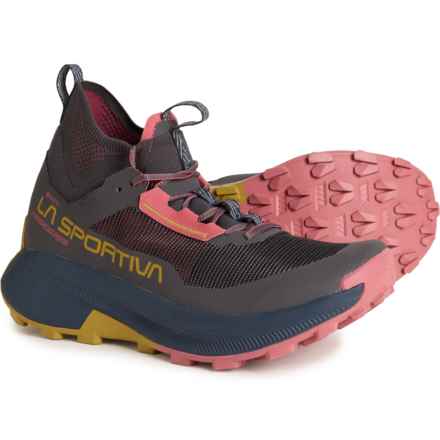
La Sportiva Bushido and Ultra Raptor. Italian precision fit, sticky rubber, built for technical terrain. Both run small and narrow; go up a half size. The Wildcat is the softer, wider option.
Merrell Agility Peak and Moab Speed. Merrell's trail runners are less well known than its hiking shoes but fit the same generous last, and close out often.
Hiking shoes worth watching
Merrell Moab. The best-selling hiking shoe in the world for good reason: a roomy fit, a supportive footbed, a Vibram outsole and a price that starts moderate and closes out low. Available in ventilated, waterproof, wide and mid-height boot versions. The Moab 2 and Moab 3 are close enough that the older one is a straightforward saving.
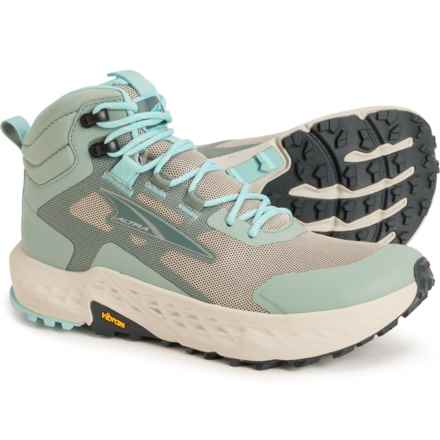
Keen Targhee. Keen's answer to the Moab, with the brand's rubber toe bumper and wider toe box. Keen.Dry membrane on the waterproof versions. Also comes as a mid boot. The Keen Zionic is the lighter, newer alternative.
Salomon X Ultra. Narrower and more athletic than the Moab or Targhee, with a chassis that stabilises the heel. The choice for people who want a hiking shoe that moves like a trail runner. The X Ultra 4 succeeded the 3 and the 3 is a regular closeout.
Hoka Anacapa. Hoka's cushioning in a nubuck hiking shoe, with a Gore-Tex option. Popular with people who found traditional hiking shoes too hard underfoot.
Boots worth watching
Salomon Quest. A full-height backpacking boot with a supportive chassis and a Gore-Tex liner, still under two pounds a pair. The reference light backpacking boot.
Hoka Kaha. Maximal cushioning in a leather boot. Heavy for a Hoka, very comfortable, and closes out because the colours change often.
Keen Targhee Mid and Merrell Moab Mid. The boot versions of the shoes above. Less support than a true backpacking boot but far more comfortable out of the box. For most weekend hikers with a moderate pack, these are enough.
La Sportiva Nucleo and Ultra Raptor Mid. Lightweight boots with the La Sportiva fit. Rarely cheap, so watch for them.
Sizing up a footwear closeout
- Version numbers matter more than colours. A Speedgoat 5 in last year's colour is the same shoe. A Speedgoat 4 is a different shoe, usually still good, sometimes better. Look up what changed before you decide the older one is a bargain.
- Check the width. Wide versions close out last and are often the deepest discount on the listing.
- Check the size run. Footwear runs break in the middle first. If you wear a 10, buy when you see it.
- Membrane versions cost more and close out slower. If you don't need waterproof, the non-waterproof version is usually cheaper on the same page.
- Trail runners have a shelf life. Foam midsoles harden over years in storage. A two-year-old closeout is fine; a five-year-old one may feel dead out of the box.
We keep an eye on all of these brands. When a version turns over, the outgoing one is usually on the markdown pages within days, and that is when it shows up in our picks. Check the size run on the product page before you buy; footwear runs break in the middle first.