A buyer's calendar for outdoor gear markdowns
Published September 15, 2026
When ski, camping, hiking and workwear stock actually turns over, which holiday weekends matter, and how off-price stores run a season or two behind the brands.
Outdoor gear is seasonal in a way most retail is not. A brand designs a jacket two years out, ships it to stores in a narrow window, and has to be rid of it before the next line lands. That rhythm is predictable, and it is the reason we can say with some confidence when a category will be cheap. Here is the calendar we work from, month by month, with a note on how off-price stores fit into it.
How the cycle works
Full-price retailers receive fall and winter goods from roughly August to October and spring and summer goods from February to April. Whatever has not sold by the end of the selling season gets marked down in-store, and whatever survives that goes back to the brand or on to a liquidator. Off-price stores buy those leftovers in lots.
The practical consequence: off-price stock runs roughly one season behind. The best time to buy a winter jacket at an off-price store is not October; it is late winter and spring, when the brand's own clearance has finished and the lots arrive. That said, off-price stores also receive goods in season, especially when a brand over-produced. So the calendar below is a guide to when a category is deepest, not the only time it appears.
Sierra, the store we shop most, has a new-arrivals section and a separate clearance section for items that have taken a further markdown. We browse both. New arrivals show what lots have just landed; clearance shows what has been sitting.
January and February
The best months of the year for insulated jackets, ski and snowboard outerwear, and winter boots at full-price retailers, because the season is visibly ending. Off-price stores are still working through fall lots, so their winter stock is broad but not yet at its cheapest.
- Buy now: anything winter you need this winter. Selection is still good.
- Wait: if you can hold out to March, prices on the same items generally go lower.
March and April
Winter clearance peaks. Ski boots, skis, goggles and helmets that arrived in September are now in their last markdowns. This is also when last year's hiking boots and trail runners appear, because brands refresh colourways and model versions for spring.
- Buy now: ski and snowboard hardgoods, winter outerwear, insulated boots.
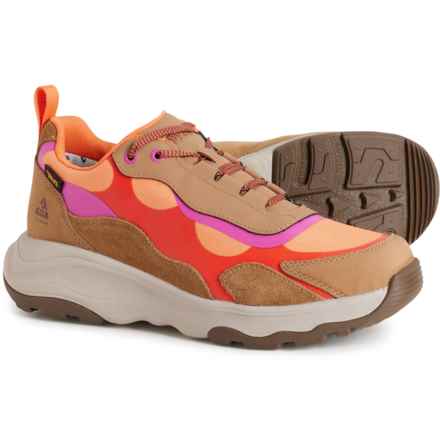
- Watch for: hiking footwear in last season's colours. Same shoe, lower price.
May and June
Spring lots land at off-price stores: rain shells, hiking pants, sandals and the first camping gear. Memorial Day is a genuine sale weekend across the industry, and it is when full-price stores start moving early-season camping and paddling stock.
- Buy now: rain jackets and pants, trail footwear, water bottles and packs for summer trips.
- Wait: tents and sleeping bags get cheaper later in the summer.
July and August
Summer clearance begins in July and deepens through August. Full-price stores need floor space for fall by September, so camping gear, sandals, swim and sun apparel get marked down hard. For off-price stores, August is when the spring lots have aged and take a second markdown.
- Buy now: tents, sleeping bags, pads, stoves, hydration packs, sandals, sun shirts, shorts.
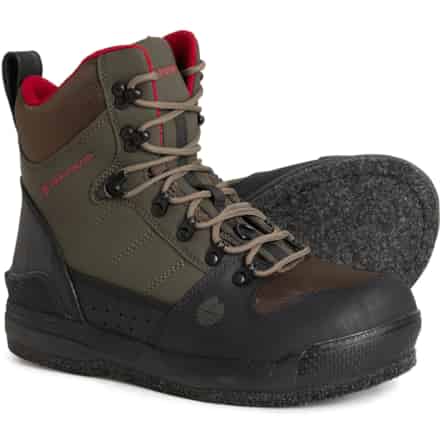
- Watch for: fly fishing and paddling gear, which turns over at the end of summer.
September and October
Fall arrives. New winter lines are in stores at full price, and last year's winter goods, held back or returned by retailers, start arriving at off-price stores in volume. This is the moment for work boots, workwear and insulated layers if you are willing to buy last season's model.
Labor Day and Columbus Day weekends are the traditional ski-industry preseason sales; ski shops discount last year's boots and skis before the new stock takes over. Off-price stores usually have their deepest ski selection a little later.
- Buy now: workwear, work boots, socks and base layers as the fall lots hit.
- Watch for: the first winter jackets from the previous season's line.
November and December
The holiday cycle. Black Friday and the week after are when full-price retailers run their biggest promotions, and off-price stores respond with a wave of new arrivals timed for gift-buying. Insulated jackets, beanies, gloves, insulated bottles and tumblers, and hardgoods all move.
The window that matters most is not the holiday itself but the fortnight after Christmas, when returns come back, gift-card money is spent, and stores clear in earnest before stocktaking in January.
- Buy now: gift categories where selection matters (a specific colour, a specific size).
- Wait: for the post-Christmas week if you are flexible on colour.
Categories that break the pattern
- Socks, base layers and beanies are bought year-round and marked down whenever a lot arrives. There is no bad month; look for a full size run instead.
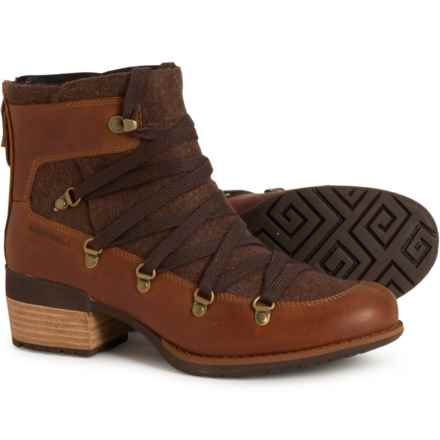
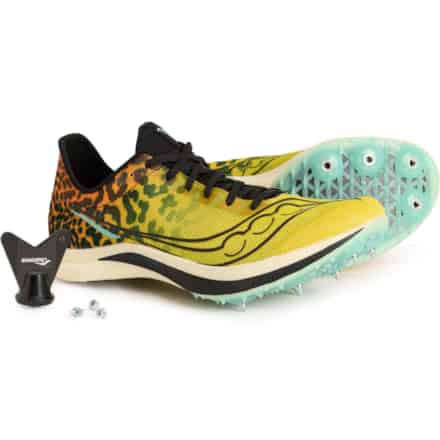
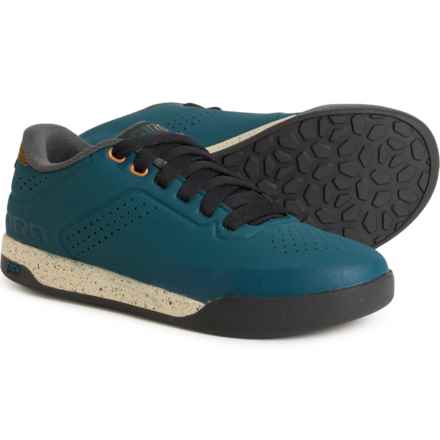
- Footwear follows model refreshes more than seasons. When a brand ships version 8 of a shoe, version 7 becomes a closeout regardless of the month.
- Kids' gear is cheap in every off-season because children grow out of it before it wears out.
- Bottles, tumblers and drinkware are pushed for gifting in November and clear in January.
How we use this
The calendar tells us where to look; the markdown pages tell us what actually arrived. When the calendar says a category should be turning over and we start seeing a wave of it on the markdown pages, that is the signal we act on. When the calendar says wait and a lot lands early, we say so.
The calendar is the background. What is on the shelf is the news.